Mudding Tools
By Michael, June 13th , 2008.
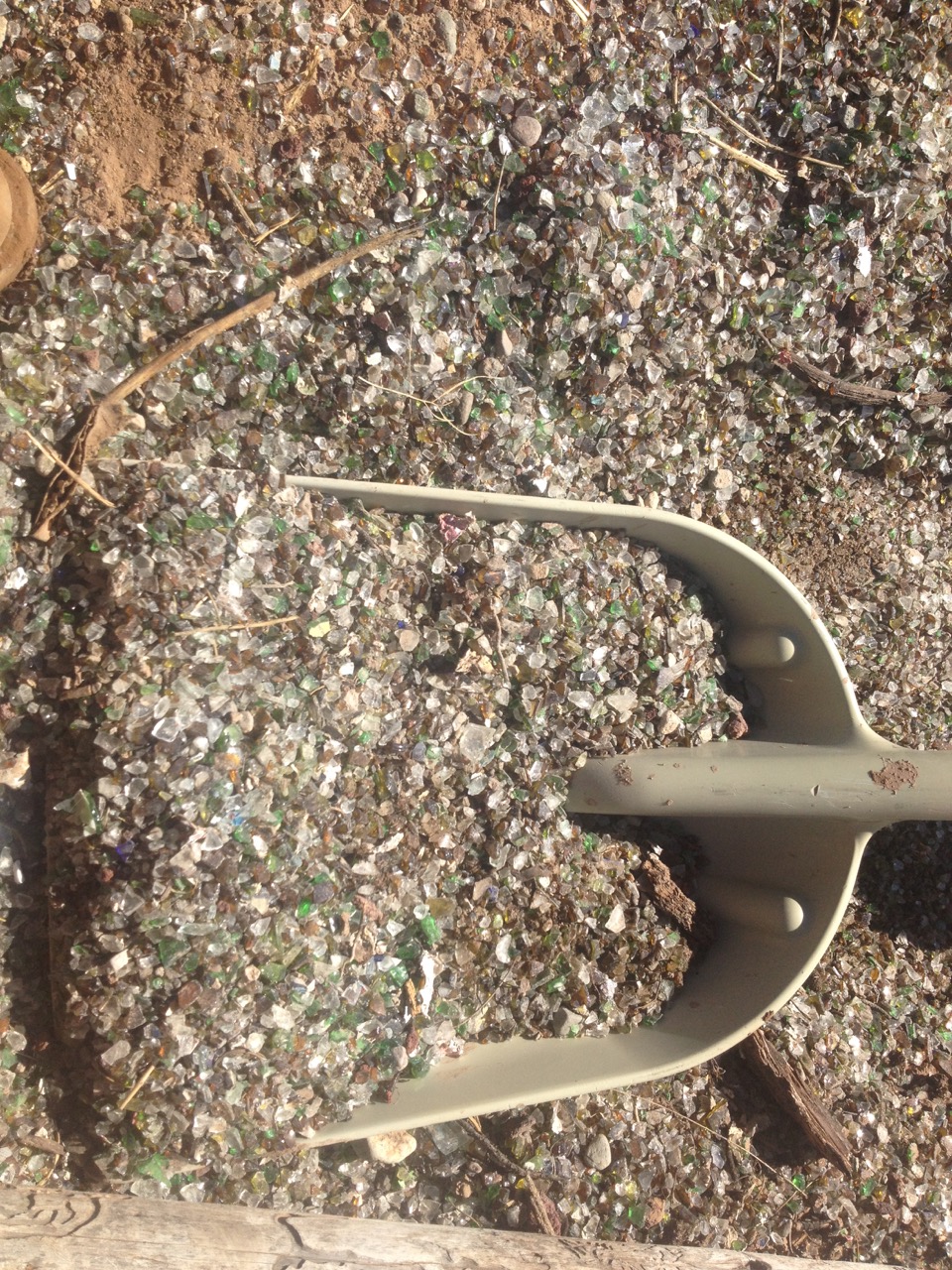
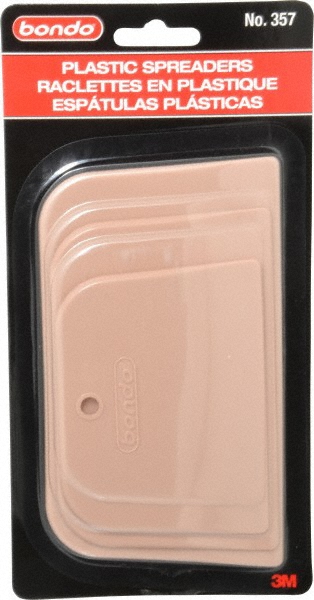
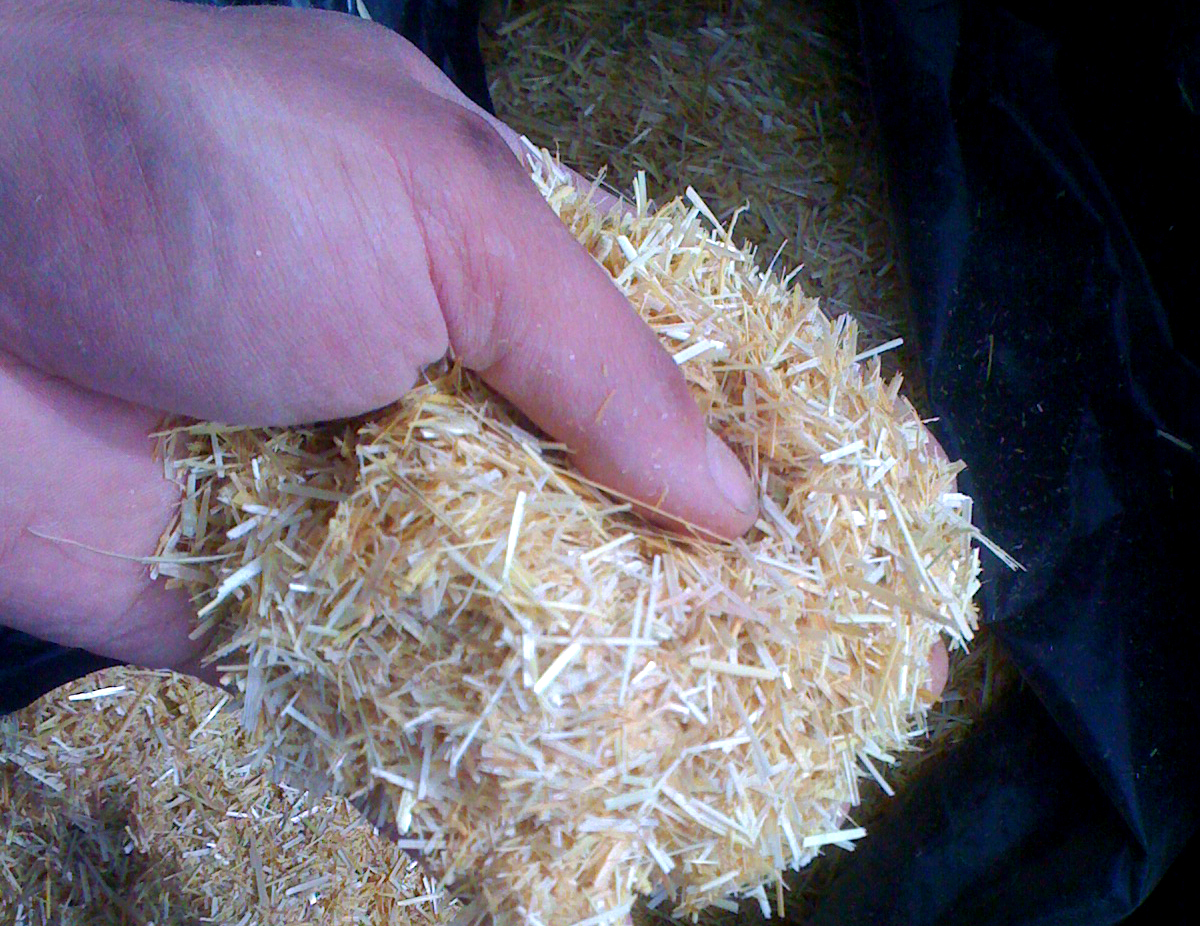
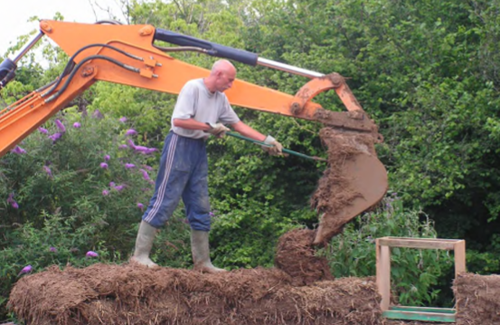
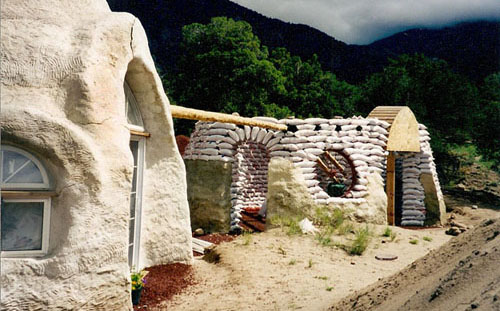
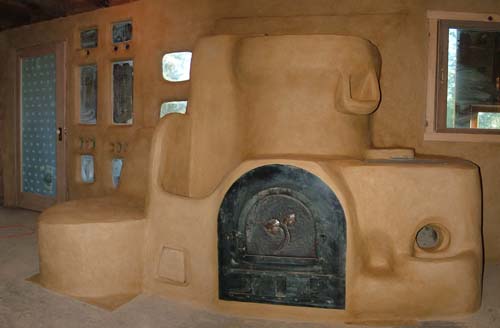
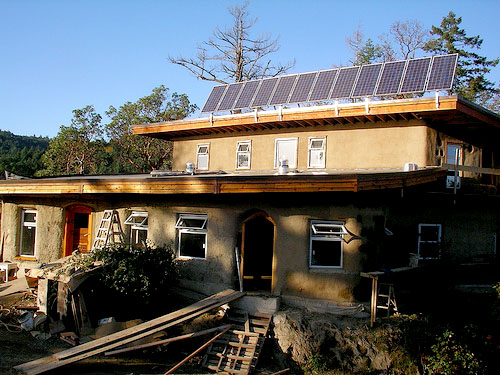
Here are some of my most useful mudding tools…
Continue Reading…

Here are some of my most useful mudding tools…
Continue Reading…
I’ve been enjoying the latest newsletter articles by Coenraad Rogmans over at House Alive!. In the article, Building with Sand, Straw and Clay, Coenraad talks about the many variations of the magical mixture of these ingredients. There is a spectrum of ratios that create different variations of these base materials. Including cob, light clay, wattle and daub, bale walls, bale cob, earthen floors, plasters, renders, and paints . Within each application one would use a different ratio for a particular result. Say for instance you are working on a cob wall with built in niches. Ianto Evans teaches about corbel cobs. Cob with long stocks of straw for added tensile strength. Another is light clay, a mixture of straw tossed like a salad with the dressing being clay slip, or watered down clay. Or for an earthen oven a sand clay mixture. You can see how versatile it can be!
Depending on the ratio one can create a suitable building material for a specific purpose. Light clay is not load bearing, so you would need to use post and beam to bear the weight of the roof. Cob can bear weight with no need for other load bearing structure, though it can also be infill. Bales can be both load bearing and infill and offer a massively thick wall without the on site creation of the wall volume and can be plastered with earth. There are as many incarnations of these variations as there are building sites and builders.
Many people are using these techniques to create hybrid natural buildings. Where one uses the particular variation for it’s best use. Strawbale walls for increased insulation in cold climates; thick cob wall for solar heat absorption and sculpting; 2 x 4 wood and pallets for a wattle and daub interior wall. For the finish, all can be covered in a earthen plaster and alis or clay paint.
I am surprised and delighted with the results of this triad of natural materials. While digging from the earth it often occurs to me… I am making shelter with the Earth. Hello pile of earth, you will make a beautiful wall. Direct, simple and wonderful.
“Earth turns to gold in the hands of the wise.” – Rumi
Homegrown Revolution - Radical Change Taking Root
Path to Freedom is a very inspiring website, and cast of characters. The Dervaes turned their urban 1/5 acre lot in to a organic micro-farm; producing 55 to 85% of there own food. They are leading by example. Challenging us to become local, to connect with nature, think about our lifestyle and what is happening with our food supply.
It is our responsibility to know how to feed ourselves. Instead of marching down to the local mega-chain market, seek out local farmers, farmers markets or plant seeds in your kitchen window sill. No lawns left behind… start to mulch your yard; preparing the soil for a new life as a food producing garden. Learn about permaculture and plants that will grow in your bioregion. There are few things we really need. If our bellies are full all else is possible.
If you want to be a revolutionary - grow your own food!
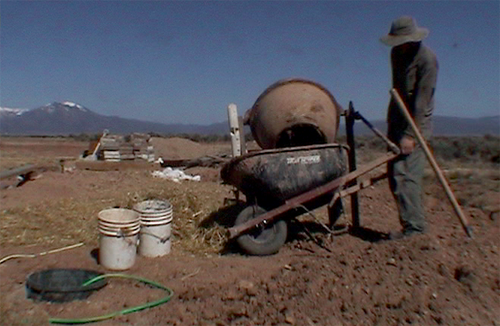
Mixing cob… mesa style. This is a sloppier version of cob that’s good for infill, shaping and scratch coat plasters. Raw earth, straw and water. I’ve been using this for everything lately. In the video it shows a sloppy mix as it comes out of the mixer and the same mix after it has sat out in the sun and the wind. It stiffens up quick. I’m a fan of the cement ( cob ) mixer. It allows you to do several other things while the barrel is spinning. Electricity can come from variety of sources. Of course using power from the sun to make cob would be natural building nirvana. Even better… the human power of friends and neighbors.
Radon is a naturally occurring, colorless, odorless gas that comes from the soil of the earth. It’s a radioactive noble gas that is formed from the decay of radium. Homes can have high concentrations of Radon, creating a unhealthy air quality. In fact it’s the the number 2 cause of lung cancer in the U.S. If your thinking about new construction plan in installing a Radon mitigation system. It’s relatively inexpensive and easy to do. I’ve discovered a great resource on the EPA website about Building Radon Out [ PDF 5.5 MB], a how-to for contractors or DIY’s. Though I didn’t see a section on earthen floors and radon mitigation it does cover other types of flooring systems.
Continue Reading…